The Quiet Window · A parable from Zhuangzi

The Empty Boat
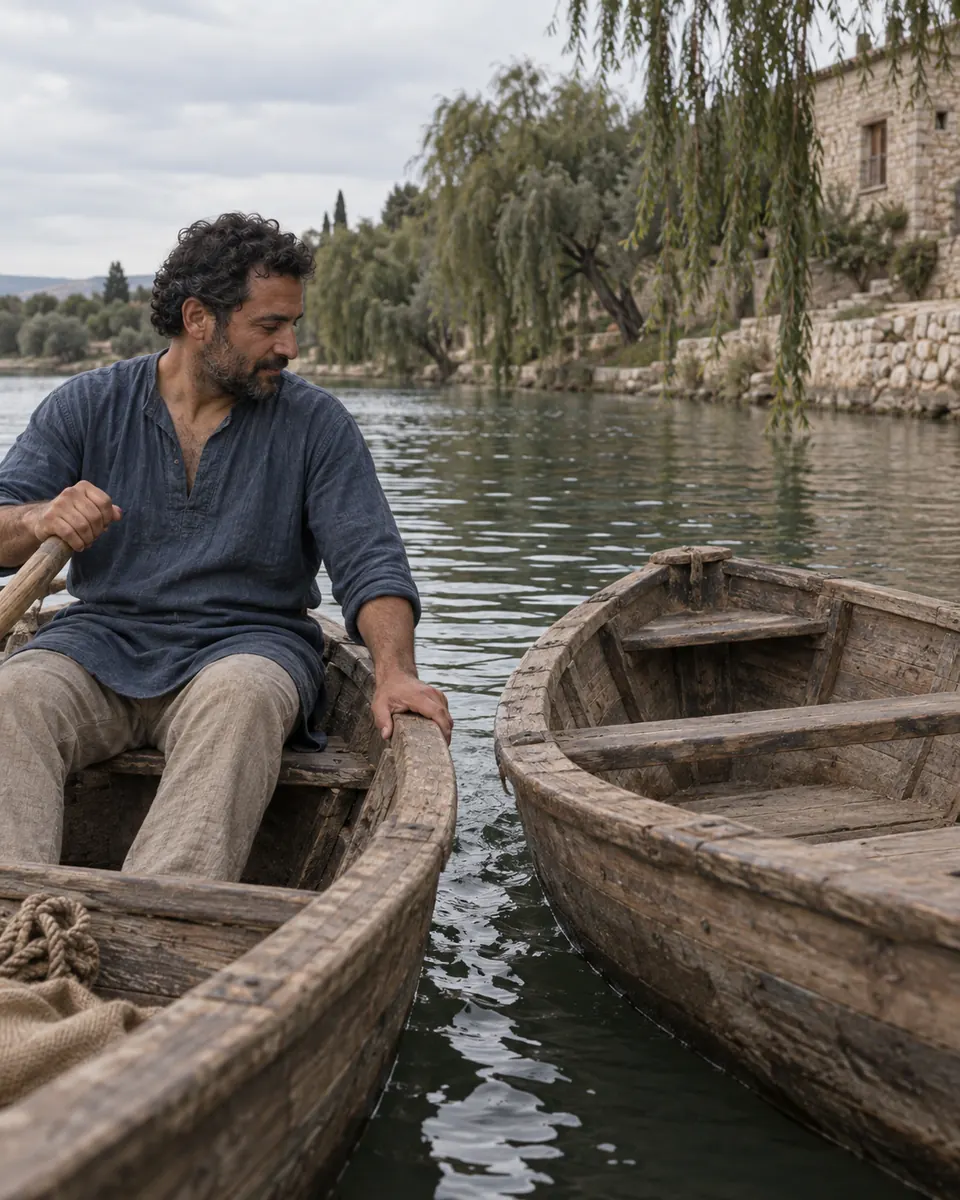
A man looks calmly at an empty wooden boat that has drifted against his own.

Imagine a man crossing a river in a small boat.

Another boat drifts towards him and strikes his vessel.

He looks across.

The boat is empty.

Although he is quick-tempered, he does not become angry.
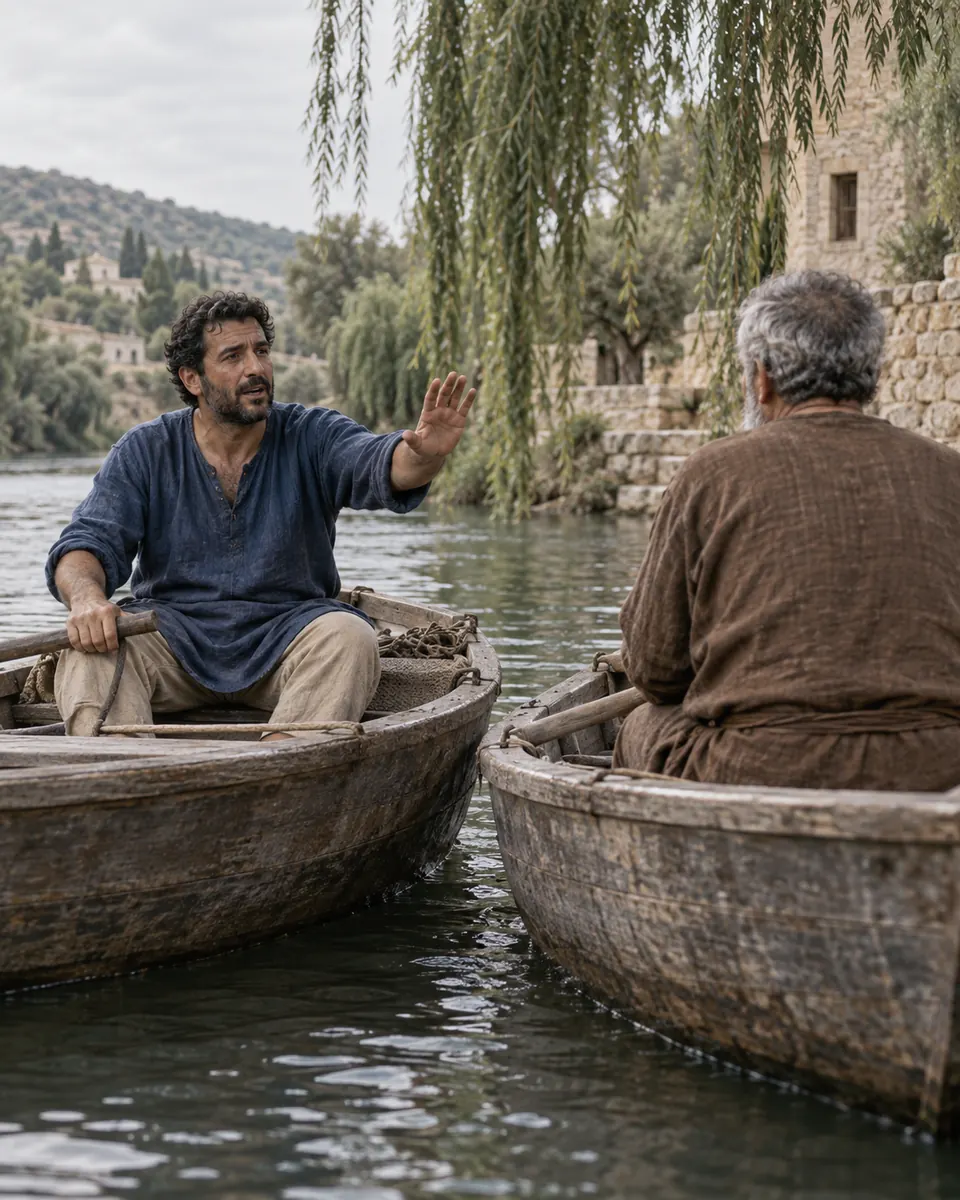
The same man calls to a person seated in the other boat.

Now imagine the same collision—but someone is sitting in the other boat.

He calls out for them to steer away.

No answer.
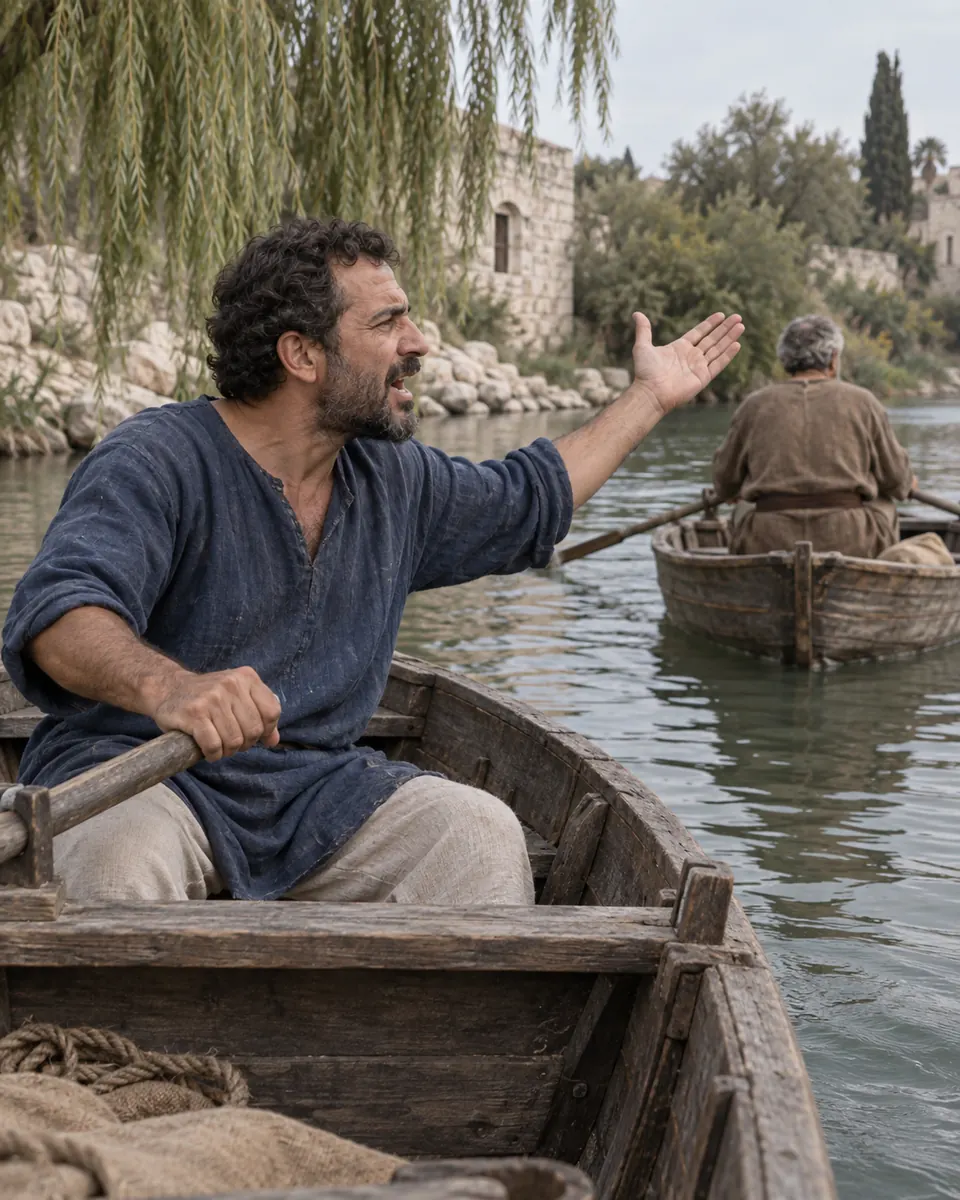
The man calls again, now frustrated by the unanswered collision.

He calls again.

Still no answer.

Soon, he is shouting in anger.

Two boats on the same quiet river, their occupants seeing the encounter differently.

The same river. The same collision.

But now he believes someone is ignoring him.

Reflection

Sometimes, what troubles us is not only what happened, but what we believe was meant by it.

Alrewaq
Read as text

Imagine a man crossing a river in a small boat.

Another boat drifts towards him and strikes his vessel.

He looks across.

The boat is empty.

Although he is quick-tempered, he does not become angry.

Now imagine the same collision—but someone is sitting in the other boat.

He calls out for them to steer away.

No answer.

He calls again.

Still no answer.

Soon, he is shouting in anger.
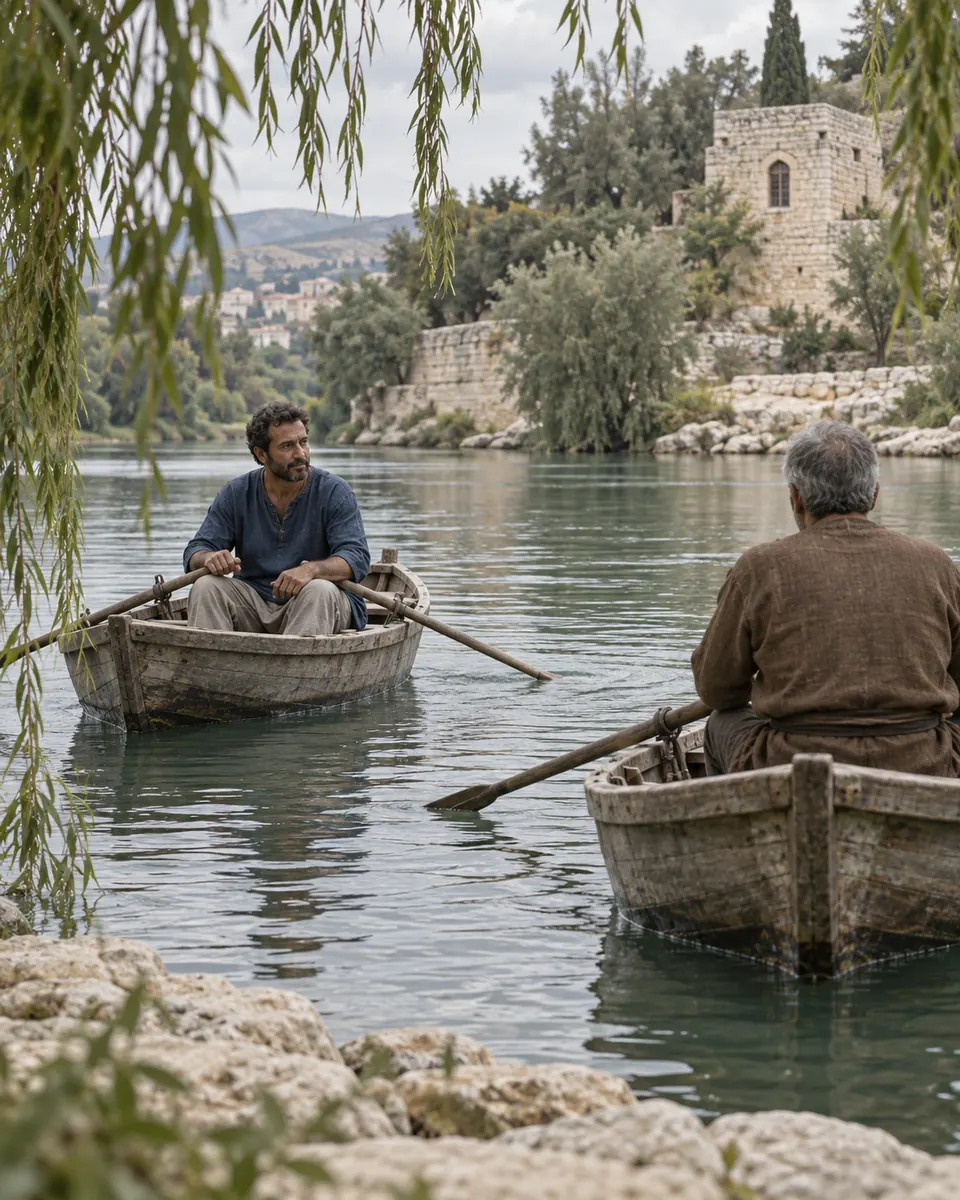
The same river. The same collision.

But now he believes someone is ignoring him.

Reflection

Sometimes, what troubles us is not only what happened, but what we believe was meant by it.

Alrewaq
About this story & sources

An Alrewaq retelling of the empty-boat comparison in Zhuangzi, chapter 20, The Tree on the Mountain. The passage goes on to discuss emptying oneself of self. Our reflection focuses on the intentions we imagine behind events; it does not excuse harm or deny responsibility. This is not the later adaptation about a meditating monk. The artwork belongs to Alrewaq.